
In today’s SaunaCast episode, we’re diving deep into one of the most powerful but underrated benefits of sauna use — how infrared heat can literally reset your nervous system.
If you’ve been dealing with stress, poor sleep, or that wired-but-tired feeling that just won’t quit, this one’s for you. I’ll break down how sauna acts as a controlled stressor to build resilience, lower cortisol, and trigger that “calm after the storm” effect. We’ll also cover how sauna sessions before bed can naturally boost melatonin and improve sleep quality, plus some recovery insights for athletes and anyone dealing with daily aches.
Stick around to the end — we hit Q&A on anxiety, timing your sessions, and one of my favorite advanced combos: breathwork and contrast therapy.
This episode sets the tone for what SaunaCast is all about — real talk, practical sauna science, and how to sweat smarter, not harder.
BEST SAUNAS FOR 2025
- Radiant Health Saunas
https://mattlinks.com/radiant-health
Discount Code:mj500 - Heavenly Heat Saunas
http://mattlinks.com/heavenly-heat
Discount Code:Justice - Clearlight Saunas
http://mattlinks.com/clearlight
Discount Code:MATTJUSTICE - Sauna Installation Guides
https://certifiedwellness.com/tag/installation-guides/
PORTABLE SAUNA OPTIONS
- Sauna Dome
https://mattlinks.com/sauna-dome
Discount Code:Justice - Relax Sauna Tent
https://mattlinks.com/relax-sauna
Discount Code:Justice - Prasanna Sauna Blanket
http://mattlinks.com/prasanna-2024bfcm
Discount Code:MATT
AMAZON & AFFORDABLE SAUNAS
RED LIGHT & DETOX TOOLS
OTHER CERTIFIED WELLNESS RESOURCES
Subscribe
Level Up Your Health
Get expert and detailed insights to guide your wellness journey, helping you find the most effective health solutions.
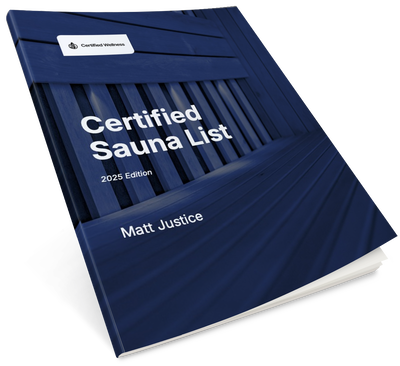
Join now and receive a free copy of our Certified Sauna List
Transcript
You know, in today’s world, stress is almost like oxygen. It’s everywhere. If you’ve been struggling with anxiety, poor sleep, or muscle soreness that just won’t quit, stick around by the end of this episode, you’ll know exactly how to use your sauna as a nervous system reset button. Without further ado, let’s jump right in.
Welcome to sauna cast episode three, infrared saunas for stress, sleep, recovery, and finally unlocking the nervous system. Let’s jump right into it today. Welcome back guys to the certified saunas podcast. I’m your host, Matt justice. Today, we’re going to dive into one of my favorite topics, how infrared saunas can completely reset your nervous system, improve your sleep and supercharge your recovery.
Last week, we talked about saunas for detox this week. I want to zoom in on the stress and recovery side of things, because. Honestly, that’s where most people feel the difference, you know, first. So stress and the nervous system, you know, in today’s world, stress is almost like oxygen. It’s everywhere, but our nervous system wasn’t built for constant fight or flight, it’s us into a lot of trouble. And we don’t even realize it until it’s too late, but here’s the cool part. Sauna can act like sauna heat rather can act like a hormetic stressor. That means it’s a small controlled stress that teaches your body how to adapt better. Think of it like a workout, but for your nervous system.
When you sit in an infrared sauna, your heart rate is going to go up, your blood vessels going to dilate your body thinks, okay, we’re in a little bit of stress here, but as you adapt your parasympathetic system, you, the rest and digest mode in your body kicks in even stronger. That’s why people report feeling this wave of calm after a session, endorphins get released. Cortisol starts to drop and your body says, Hey, you survived the heat. Now let’s relax.
I remember one night I’d been grinding on YouTube editing until almost midnight. My mind was buzzing. I couldn’t slow down. I jumped in the sauna for about 20 minutes. And by the time I came out, I felt like I had like literally flipped a switch. My heart rate slowed, my brain quieted down, and I went from wired and tired to a calm state in a single session. So if you’re someone who carries stress in your body, saunas just aren’t about sweating only they’re about retraining your nervous system and your breathing to come back into balance. So I think can be extremely beneficial for those things.
Next would be sleep sauna and sleep. Let’s talk about it. So when it comes to sleep, sleep is one of the most underrated healing tools that the body naturally does that we have built in, but stress blue light schedules, interfering with our melatonin production, irregular schedules for work, family, all this stuff, it all messes with it. And here’s how sauna can help that. When you raise your body temperature in the sauna, your body naturally cools down afterward. That cooling phase signals your brain to produce melatonin, the sleep hormone. It’s like getting a natural sleep timer for your body basically.
And in Japan, researchers have studied something I’ve been talking about a lot in their latest YouTube videos called way on therapy, which is basically infrared sauna therapy, but to a lesser degree than some of the heat coverage we get in the modern day saunas. They found an improved sleep quality in people with chronic fatigue and even cardiovascular issues. Patients fell asleep faster. They slept deeper and they woke up feeling more refreshed. So here’s the tip. If sleep is your goal, do your session about one to two hours before bed, no closer than that, that gives your body time to heat up, but then also cool down just in time to get drowsy.
You don’t wanna be laying in bed and still feel like you’re sweating and stuff, pair that with a good magnesium supplement and electrolytes, and you’re setting yourself up for the best sleep you’ve had in years. If you do this regularly, I’ve had people tell me they went from tossing and turning every night to sleeping through just until morning, just by hitting their sauna routine. You know, every evening it can be very powerful.
And along with that goes recovery and pain relief. So let’s talk about recovery first. Specifically, if you’ve ever done a tough workout and you felt sore the next day, you know, your muscles need help flushing out metabolic waste. That’s where the sauna shines, particularly infrared saunas as well. Cause you can use them in apartments, condos, anywhere you can plug a vacuum cleaner in, you can usually find a model that’ll work for you.
So when you’re in the infrared sauna, your circulation ramps up. Blood carries oxygen and nutrients into your muscles while the lymphatic system helps clear waste products out. It’s like running an internal carwash for your body. That’s why athletes love it. And in Finland, professional hockey players use saunas. Like we use ice baths here in the U S but instead of reducing inflammation through cold, they’re speeding recovery through heat. And it’s not just athletes, people with arthritis, chronic pain, or even fibromyalgia often find relief in regular sauna sessions.
The warmth relaxes tight muscles, lowers joint stiffness and helps the body heal faster. So whether you’re a weekend warrior, a firefighter coming off a shift, or just dealing with daily aches and pains, the sauna is a recovery tool that you can’t ignore, and you may want to take a look at implementing into your weekly schedule.
Let’s hit some audience questions. These are the ones I’ve been seeing most in the group this week, or the ones that Aaron sent. Question number one, can sauna help with anxiety or depression? We kind of talked about that in the beginning, but yes, there’s actually recent research showing how sauna regular sauna use can improve mood disorders. Part of that is endorphin release. Part of it’s lowering cortisol. And part of it’s a simple fact that heat therapy forces you to slow down and be present. Many people report reduced anxiety, improved mood after consistent sessions, all types of benefits. There can be a myriad of reasons as to why, but it’s damn near free after you buy the equipment. So my suggestion is to definitely try it.
Question number two for this week’s Q and a, is it better to sauna before better in the morning? Depends on your goal. Morning sessions are energizing. They get blood flowing, boost focus, evening sessions, kind of set you up for deeper sleep personally. I like evenings, but if you’re using it for recovery after workouts, morning can work well too. You just have to test it out and see what’s works best for you.
A question number three, does sauna help with muscle soreness after workouts? Absolutely. Think of it like active recovery. You’re improving circulation when, you know, without pounding on your joints even more. So don’t just sauna right after, you know, a super intense workout, let your body cool down first and then jump in perhaps. And this will allow vasodilation instead of constrict constriction. That’s why I think people that do cold plunge after a workout, not always the best.
Question for what’s the best duration for stress relief for most people. It’s 20 to 30 minutes is plenty. If you go longer, that’s fine. As long as you’re really hydrated, but you don’t have to push marathon sessions. It’s consistency that leads to benefits, not staying in for hours at a time.
All right, let’s go over a couple of things for your advanced users and long-time subscribers. We’ve got next level strategy every single week. For those of you who like to stack your wellness tools, here’s the next level trick, combine your sauna with breath work. I’ve been talking about this for years, but we don’t give it enough attention while you’re sitting in there. Focus on nasal breathing, slow inhales, longer exhales. You do box breathing. For example, inhale for four seconds, exhale for six to eight. That extended exhale activates your parasympathetic system even more. Relaxation mode right in your body. Make this a healing sanctuary for you. Do that during your sauna session and you’ll amplify the nervous system reset effect.
And if you want to take it even further, try contrast therapy. Sauna followed by a cold shower or cold plunge, the hot cold cycle improved circulation, especially oscillating back and forth strengthens your stress resilience and leaves you feeling like you just hit the reset button on your whole body. I think we’ll cover the rest in the next session.
So let’s wrap this up today. We talked about how infrared saunas help your body manage stress, improve sleep quality and speed recovery. We busted some myths. We’ve answered some Q and A’s from the subscribers, and we’ve even given you a breath work trick to try during your next session.
Over the next few weeks, here’s your action step this week. Schedule one sauna session in the evening, about two hours before bed. Do some slow breathing while you’re in there and then write down how you slept that night. Pay attention to the difference. If you enjoyed this episode, share it with a friend who needs better sleep or less stress in their life. Subscribe on your favorite podcast platform. Check the show notes for links to free guides and our community.
Next week, we’ll be tackling a big question that I get all the time. How do I choose the right sauna for my home? I’ll walk you through brands, features, and red flags. So you don’t waste your money. Like I did until then I’m Matt justice. I’m reminding you to sweat smarter, not harder. We’ll see you the next episode.